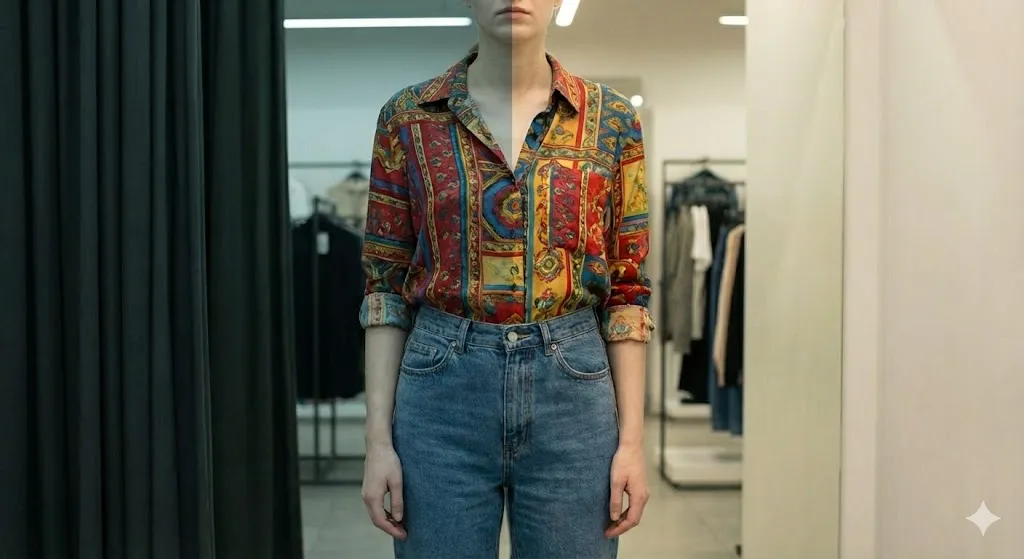
"If a product looks dull, a face looks gray, or a retail display feels lifeless, the problem may not be brightness. It may be CRI."
What is CRI in lighting?
CRI, or Color Rendering Index, measures how accurately a light source reveals colors when compared with a natural reference source such as sunlight. The higher the CRI, the more natural objects, finishes, skin tones, fabrics, and food will appear under that light.
In practical buying terms, CRI answers a simple question: Will this light make the product or space look right?
How CRI is usually interpreted
- CRI below 80: Usually too weak for premium residential, hospitality, retail, and project-focused applications.
- CRI 80 to 89: Acceptable for many general commercial environments where budget and efficiency matter more than visual richness.
- CRI 90+: The preferred range for homes, hotels, showrooms, boutiques, galleries, and any project where color accuracy matters.
- CRI 95+: Often used when a project needs elevated presentation quality, luxury atmosphere, or more demanding product rendering.
Why R9 matters even more than many buyers realize
Many spec sheets mention CRI but say nothing about R9. That is a problem. R9 measures how well the light renders strong red tones, which directly affects:
- skin tone quality in bathrooms, hotels, and hospitality spaces
- meat, produce, and warm materials in food or retail environments
- wood, leather, cosmetics, and apparel presentation
- whether high-end finishes feel premium or flat
A fixture can claim CRI 90 and still perform poorly if R9 is weak. For project buyers, CRI and R9 should be reviewed together, not separately.
Where high CRI matters most
Retail and showroom lighting
Fashion, jewelry, cosmetics, furniture, and lifestyle products all depend on strong color fidelity. Low CRI makes products feel cheaper and damages visual trust.
Hospitality and residential projects
Warm, high-CRI light helps rooms feel comfortable and premium. It improves skin tones, materials, and the overall sense of quality in bedrooms, lounges, dining areas, and guest bathrooms.
Museums, galleries, and specification-grade projects
Once the project is centered on presentation, finishes, or visual accuracy, high CRI becomes a core requirement rather than a nice-to-have feature.
How to use CRI when comparing LED products
- Start with the application. A warehouse and a boutique do not need the same CRI target.
- Ask for CRI and R9 together. Do not approve based on a single CRI line item.
- Review samples in the actual use case. Textiles, food, skin, stone, wood, and painted surfaces react differently.
- Balance CRI with efficacy, glare, beam angle, and CCT. High CRI is important, but it should be part of the whole specification logic.
A simple buying rule
If the project depends on appearance, premium feeling, merchandise value, or user comfort, treat CRI 90+ as the baseline conversation. If the environment is purely functional, CRI 80 may be enough, but the decision should be deliberate.
Where to go next
- Browse commercial LED lighting products if you are comparing fixture categories.
- Review project lighting solutions if you are working from hospitality, retail, office, or residential applications.
- Explore sourcing support if you need help evaluating suppliers, samples, and product quality in China.
FAQ
Is CRI 80 good enough?
For basic functional lighting, it can be. For retail, hospitality, premium residential, and presentation-driven spaces, it is often not enough.
Is higher CRI always better?
Not automatically. The right answer depends on the application, but higher CRI is usually preferred where appearance and experience matter.
What should buyers ask a supplier?
Ask for CRI, R9, CCT, beam angle, glare control, efficacy, and sample validation in the target use case. These factors should be reviewed together.
Commercial Pathways